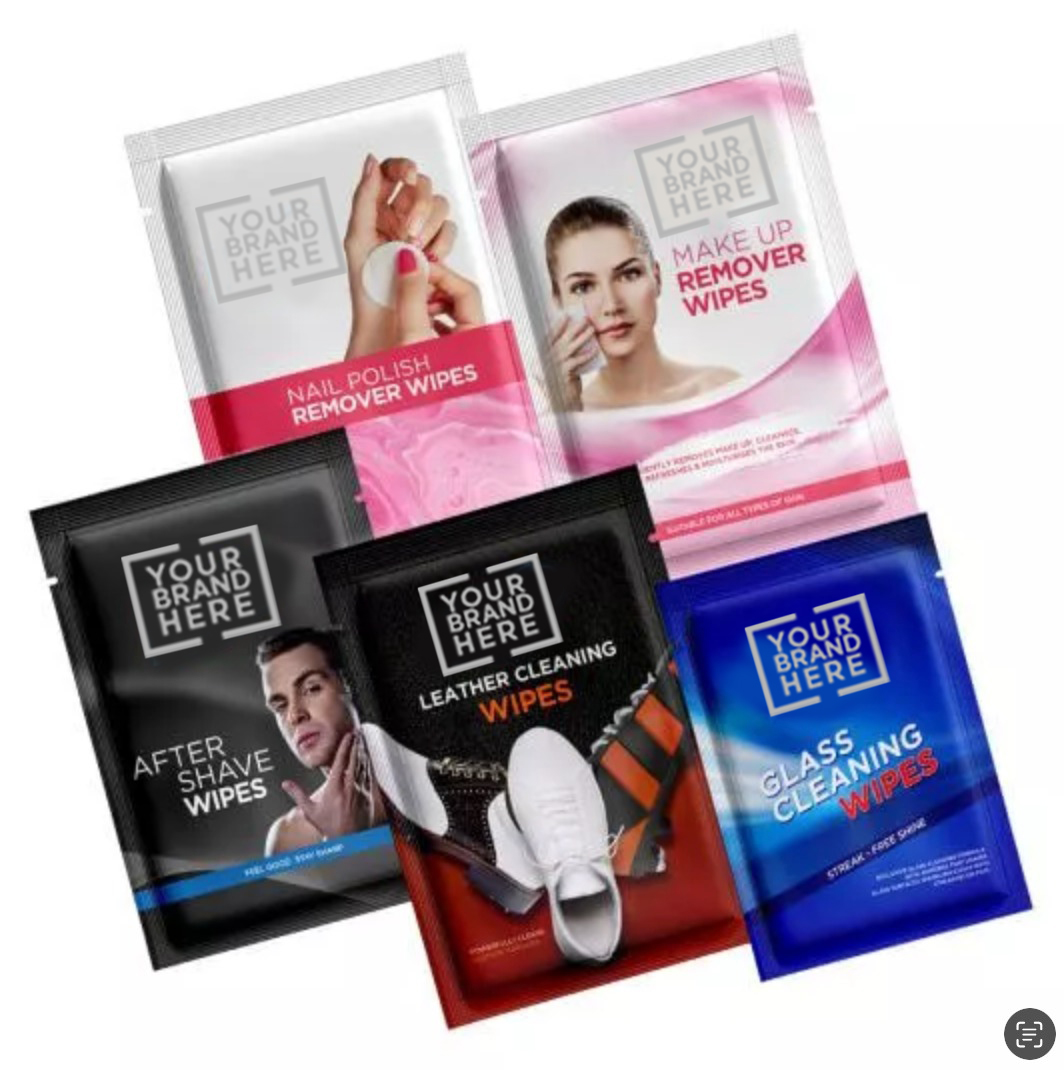
Expanding a hygiene product line requires a careful balance of quality, efficiency, and market responsiveness. Engaging in wet wipes contract manufacturing allows brands to produce reliable, high-quality products while leveraging the expertise and infrastructure of professional manufacturers. By partnering with experienced production companies, businesses can focus on marketing, distribution, and brand growth without the burden of managing complex manufacturing processes.
Collaborating with established manufacturers also ensures access to tested formulations, regulatory compliance, and scalable production capabilities. These benefits are particularly important in the hygiene sector, where safety, consistency, and consumer trust determine the long-term success of any brand. Private label production provides a strategic advantage, allowing companies to introduce new products and meet diverse customer needs more efficiently.
1. Accelerated Market Entry
Partnering with professional manufacturers streamlines the journey from concept to finished product. Brands can bypass lengthy formulation trials and production delays, allowing products to reach consumers faster. Pre-tested solutions ensure that products perform consistently and meet industry standards, reducing the risk of errors in both formulation and packaging.
By leveraging private label production, companies can launch private label wet wipes swiftly, responding to market demand and capturing opportunities before competitors. This speed to market enhances brand visibility and strengthens overall competitiveness in the hygiene sector.
2. Cost Efficiency and Resource Optimization
Building and maintaining in-house production facilities involves substantial investment in machinery, raw materials, and personnel. Private label production eliminates the need for these expenditures while granting access to advanced manufacturing capabilities. Manufacturers producing at scale can reduce per-unit costs, allowing brands to achieve better profit margins and price competitiveness.
Resource optimization enables brands to concentrate on marketing, distribution, and customer engagement. Operational efficiency allows smaller or emerging businesses to compete with larger players without compromising product quality. The financial flexibility provided by professional partnerships creates room for innovation and expansion across hygiene product lines.
3. Diversification of Product Portfolio
Partnering with experienced manufacturers allows brands to expand their offerings rapidly, adapting to changing consumer preferences. Professional production facilities can handle a wide range of hygiene products, from wipes to liquid cleaners, enabling companies to offer versatile solutions under their own branding.
Incorporating products such as toilet cleaner, private label, alongside existing lines, strengthens a brand’s market presence. The ability to diversify product formats, packaging, and sizes enhances customer choice and satisfaction. A well-rounded portfolio positions the brand as a comprehensive provider of hygiene solutions, attracting broader consumer segments and increasing market share.
4. Assurance of Quality and Compliance
Consistency in product quality and adherence to safety regulations are crucial in the hygiene industry. Collaborating with expert manufacturers ensures that each batch meets stringent standards, building consumer confidence and brand credibility.
Manufacturers follow local and international safety regulations while implementing rigorous testing procedures to guarantee efficacy and safety. This consistency reduces the risk of recalls, product complaints, or reputational damage. Brands that rely on professional production partners can assure their customers of high-quality hygiene products, reinforcing trust and loyalty across their market base.
5. Innovation and Competitive Advantage
Private label partnerships offer brands the ability to innovate without assuming the full risk and cost of research and development. Manufacturers with technical expertise can adapt formulations, develop new packaging concepts, and introduce trend-responsive products efficiently.
Innovation can include unique scents, eco-friendly packaging, travel-size formats, or enhanced cleaning properties. By collaborating with skilled manufacturers, brands gain access to industry insights and technical support that drive differentiation. This advantage allows companies to maintain a competitive edge, attract new customers, and retain existing ones while expanding their hygiene product offerings.
6. Strengthened Brand Reputation
Partnering with experts enhances a brand’s credibility and trustworthiness in the eyes of consumers and retailers. High-quality production, regulatory compliance, and consistent performance contribute to a positive market perception.
Brands that consistently deliver reliable and effective hygiene products establish long-term loyalty and repeat business. A strong reputation allows companies to negotiate better retail placements, enter new markets, and strengthen their competitive positioning. By associating with reputable manufacturers, brands gain a strategic advantage that supports sustained growth.
Conclusion
Private label production offers multiple benefits for brands seeking to grow in the competitive hygiene sector. From faster market entry to cost efficiency, product diversification, quality assurance, and innovation, professional manufacturing partnerships provide the support necessary for sustained growth. Companies can introduce products such as private-label wet wipes and toilet cleaner private-label items efficiently while maintaining high standards and meeting consumer expectations.
The Perfect Hygiene stands out as a leading provider of private label solutions for hygiene products. With expertise in producing wet wipes, antiseptic liquids, toilet cleaners, and other essential hygiene items, the company enables brands to deliver reliable, high-quality products to consumers. By leveraging The Perfect Hygiene’s production services, businesses can focus on branding, marketing, and expansion while ensuring that every product meets strict quality and performance standards.
