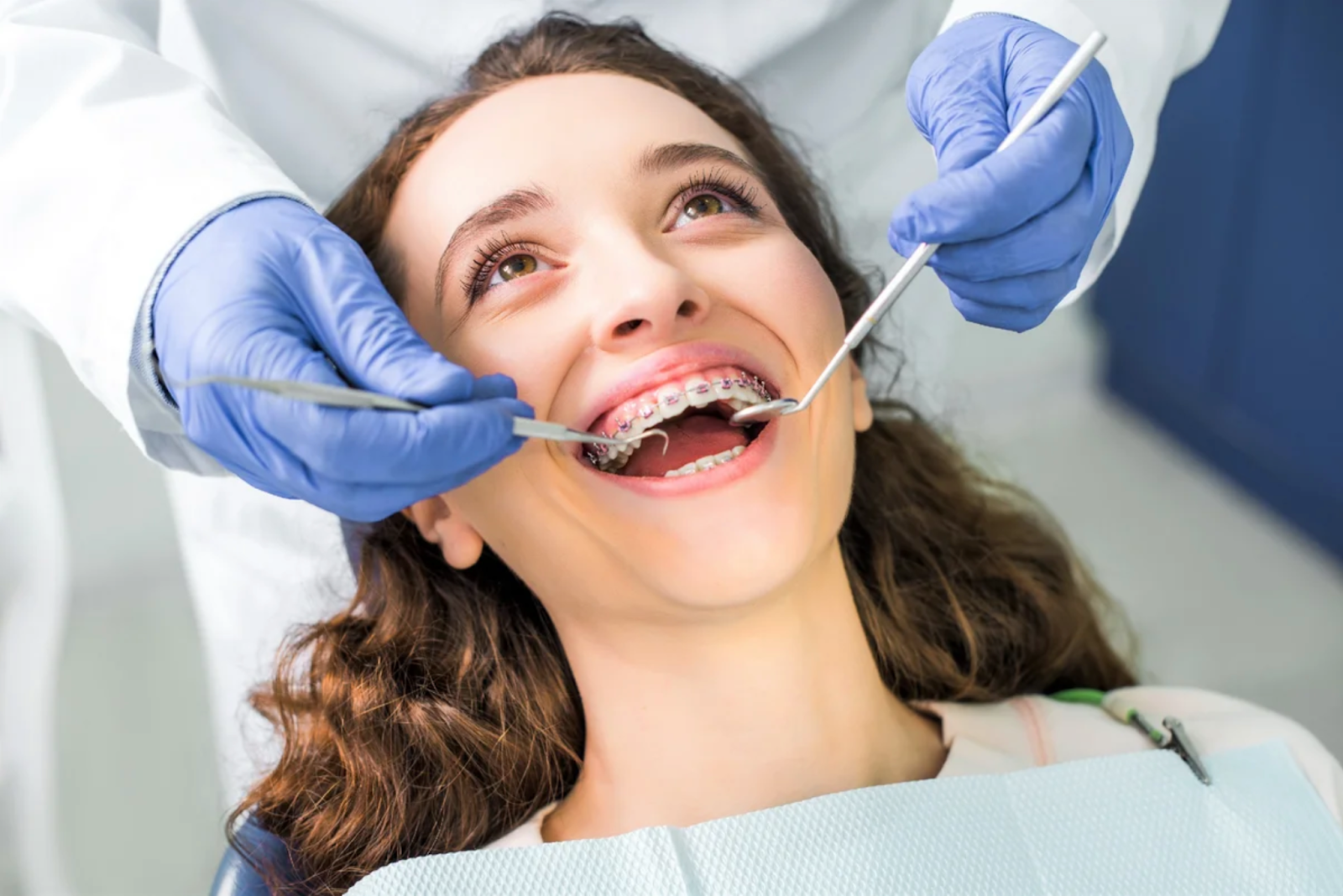
A stable and healthy smile is not achieved through temporary fixes but through carefully planned interventions that address both function and structure. Orthodontic care has evolved into a strategic solution that goes beyond cosmetic enhancement, focusing on long-term oral health outcomes. One of the most effective approaches in this space is braces treatment, which corrects alignment issues while strengthening the overall dental framework. Patients today are increasingly aware that dental health is interconnected with daily comfort, confidence, and long-term well-being.
This blog explores how structured orthodontic intervention contributes to lasting oral health stability, focusing on functional, preventive, and lifestyle advantages that make it a valuable long-term decision.
Establishing Structural Alignment That Supports Lifelong Dental Function
Achieving long-term oral stability begins with correcting the foundational structure of the teeth, ensuring that alignment supports both durability and efficient function over time.
- Precision correction of misalignment: Modern orthodontic solutions focus on addressing the underlying structural irregularities that affect dental alignment. By repositioning teeth into their ideal positions, the treatment ensures that each tooth functions efficiently within the overall dental system. This alignment creates a balanced structure that minimizes strain and promotes durability over time, reducing the likelihood of relapse or shifting.
- Improved bite functionality and balance: Correcting bite alignment is essential for ensuring that pressure is evenly distributed during chewing and speaking. An imbalanced bite can lead to excessive stress on certain teeth, causing premature wear and discomfort. Through braces, patients achieve a harmonized bite that supports long-term functionality and reduces the risk of complications.
- Reduction in long-term corrective procedures: Addressing alignment issues early helps prevent the need for complex restorative treatments in the future. Properly aligned teeth are less prone to damage, decay, and structural weakness, allowing patients to maintain their natural dentition with minimal intervention over time.
Strengthening Oral Hygiene and Disease Prevention
Sustainable oral health is closely linked to how effectively teeth can be maintained, making proper alignment a critical factor in preventing long-term dental issues.
- Enhanced accessibility for cleaning routines: Aligned teeth create a smoother dental surface, making it easier to maintain consistent oral hygiene. Brushing and flossing become more effective when there are no overlapping or crowded areas, ensuring that plaque and debris are removed efficiently.
- Lower risk of gum disease and inflammation: Crowded teeth often create conditions that promote bacterial growth, leading to gum irritation and inflammation. Once alignment is corrected, the gums can adapt naturally around the teeth, reducing the risk of periodontal issues and supporting healthier tissue structure.
- Prevention of plaque-related complications: Plaque accumulation is a major contributor to dental decay and tartar formation. Straight teeth reduce the number of hard-to-reach areas where plaque can build up, enabling better long-term maintenance and reducing the likelihood of recurring dental problems.
Supporting Jaw Health and Functional Comfort
Beyond the teeth themselves, orthodontic correction plays a vital role in optimizing jaw function, reducing strain, and enhancing everyday comfort.
- Reduction of jaw strain and muscle tension: Misalignment often forces the jaw into unnatural positions, leading to muscle fatigue and discomfort. Correcting dental alignment allows the jaw to function in its natural position, reducing strain and improving overall comfort during daily activities.
- Improved speech clarity and efficiency: Dental positioning influences how sounds are formed during speech. Proper alignment ensures clearer articulation, making communication more effective and effortless in both personal and professional environments.
- Minimization of uneven wear patterns: When teeth are not aligned properly, certain areas experience excessive pressure, leading to uneven wear. Orthodontic correction distributes force evenly, preserving the structure and strength of each tooth for long-term use.
Delivering Psychological and Social Value Over Time
The benefits of orthodontic care extend into personal and social dimensions, where a confident smile contributes to lasting self-assurance and positive interactions.
- Boost in self-confidence and personal image: A well-aligned smile enhances overall appearance, which can positively influence self-perception. Individuals often feel more confident in social and professional interactions, contributing to improved quality of life.
- Positive impact on interpersonal communication: Confidence in one’s smile encourages more open and engaging communication. This can strengthen relationships and create a more positive impression in various social settings.
- Long-term satisfaction with appearance: Unlike temporary cosmetic solutions, orthodontic results are designed to last. Patients continue to benefit from their improved smile for years, reinforcing the value of their investment.
Ensuring Sustainable Value Through Preventive Care
Long-term dental stability is not only about correction but also about prevention, where early intervention leads to consistent health and reduced future complications.
- Long-term cost efficiency: Investing in orthodontic care early can significantly reduce the need for expensive dental treatments later. By understanding factors that influence teeth braces price Singapore, patients can make well-informed decisions that balance affordability with quality care.
- Consistency in dental health maintenance: Aligned teeth simplify routine care, making it easier to maintain oral hygiene over time. This consistency contributes to overall stability and reduces the likelihood of recurring problems.
- Holistic improvement in oral health outcomes: Orthodontic care supports not only the teeth but also the surrounding structures, including gums and jaw alignment. This comprehensive approach ensures that all aspects of oral health are addressed, resulting in a balanced and sustainable outcome.
Conclusion
Orthodontic care is no longer limited to enhancing appearance; it plays a vital role in ensuring long-term oral health stability. By addressing structural alignment, improving hygiene, and supporting functional comfort, braces treatment offers benefits that extend far beyond the treatment period. It helps prevent future complications, reduces the need for corrective procedures, and enhances overall quality of life.
When viewed as a long-term investment, orthodontic treatment delivers both functional and psychological value, making it a strategic decision for individuals seeking lasting results. For those looking to explore professional orthodontic solutions tailored to their needs, Bracesaurus provides a reliable pathway toward achieving a healthier, more confident smile.
