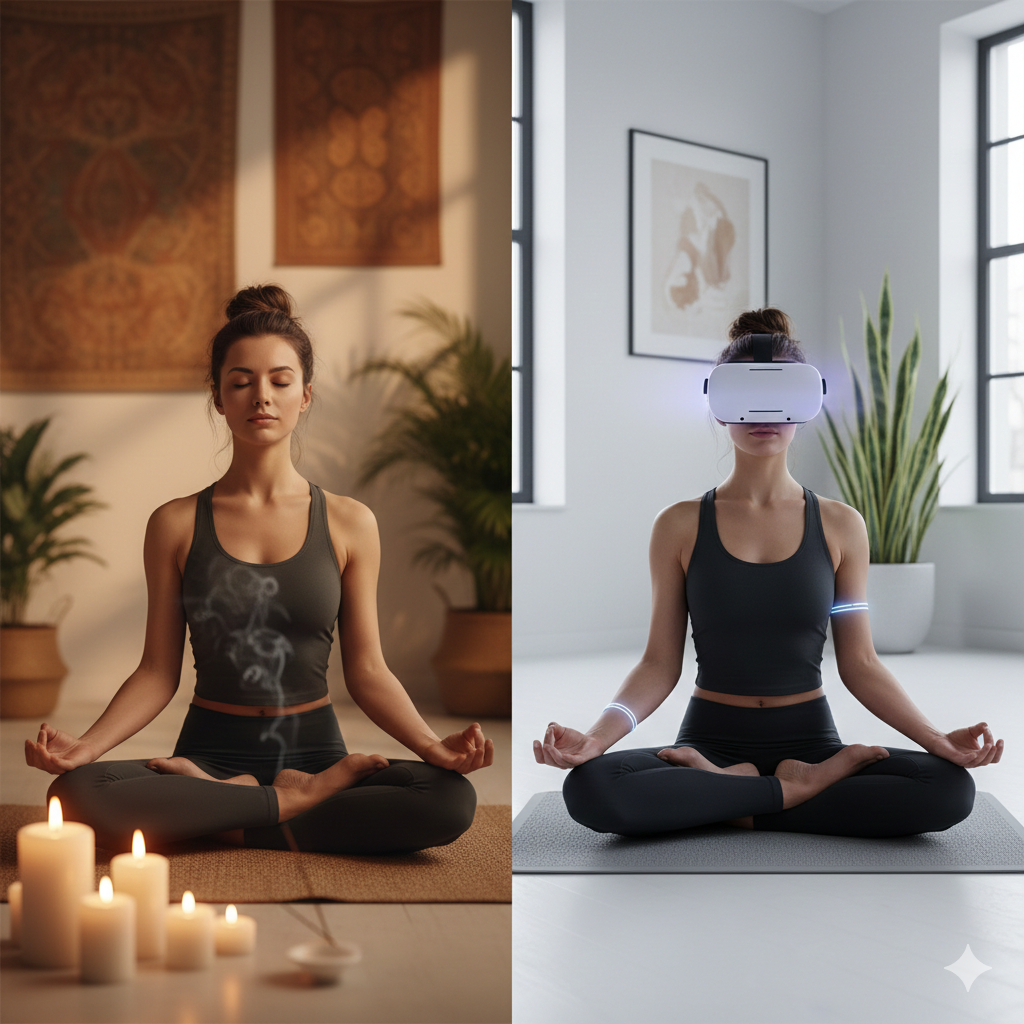
Yoga practice is transforming faster than ever before. The ancient discipline that began in India over 5,000 years ago is now merging with cutting-edge technology and modern wellness science.
Here’s the deal: 2026 marks a pivotal shift in how we approach yoga. People are no longer choosing between traditional and modern—they’re blending both worlds seamlessly.
Research from the Global Wellness Institute shows that 67% of yoga practitioners now incorporate technology into their daily practice. This isn’t about abandoning tradition—it’s about making yoga accessible to everyone, everywhere.
Want to know the best part? These trends aren’t just fads. They’re research-backed innovations that honor yoga’s roots while meeting today’s demands.
Let’s explore the seven biggest yoga trends reshaping 2026.
Micro-Sessions: The 5-15 Minute Revolution
Short yoga practices are taking over. Forget the 60-90 minute classes—2026 belongs to micro-sessions.
These bite-sized practices last just 5-15 minutes. They’re designed for busy professionals, parents, and anyone struggling to fit wellness into packed schedules.
But here’s the kicker: Science backs this approach. A 2024 study in the Journal of Clinical Psychology found that daily 10-minute yoga sessions reduced stress by 32% over eight weeks.
Why Micro-Sessions Work
The reality? Consistency beats duration every time.
Doing 10 minutes daily creates stronger habits than weekly hour-long classes. Your body and mind respond better to regular, manageable doses of movement and breath.
Think about it this way: Would you rather commit to an hour you’ll skip, or 10 minutes you’ll actually do?
Here’s what most people miss: Micro-sessions target specific needs. Morning energy boost? 5-minute sun salutations. Lunch break tension? 10-minute shoulder openers. Pre-bed wind-down? 7-minute restorative stretches.
Many practitioners now explore deeper practices through 200 hour teacher training course in Rishikesh where they learn to design these focused sequences effectively.
VR Yoga: Immersive Practice Meets Technology
Virtual reality is revolutionizing yoga practice. VR headsets now transport practitioners to serene Himalayan mountains, tropical beaches, or cosmic galaxies—all from their living rooms.
Get this: VR yoga apps grew 340% in 2025 alone. Platforms like Supernatural and FitXR added dedicated yoga modules that blend traditional asanas with immersive environments.
The Science Behind VR Mindfulness
Listen closely: VR isn’t just a gimmick. Research from Stanford’s Virtual Human Interaction Lab proves that immersive environments enhance focus by reducing external distractions.
When you practice in a virtual forest, your brain processes it similarly to being in nature. The visual and auditory stimuli trigger the same relaxation response.
Here’s where it gets interesting: VR yoga addresses a major barrier—self-consciousness. Beginners often avoid studios fearing judgment. VR creates a private, judgment-free space to learn and grow.
The technology also enables real-time posture correction through AI-powered feedback. Your virtual instructor analyzes alignment and offers gentle adjustments.
Breathwork Integration: Beyond Physical Poses
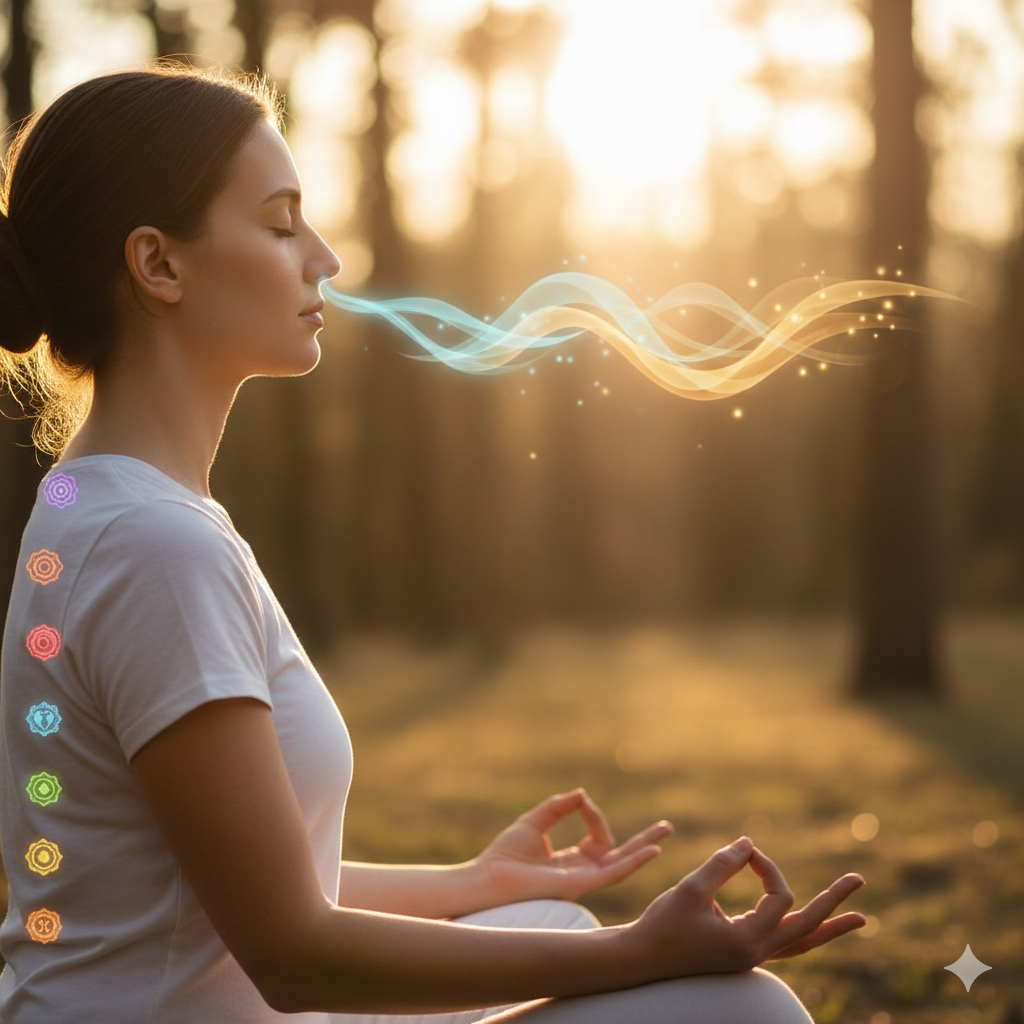
Breathwork is no longer optional—it’s central. Modern yoga classes in 2026 dedicate 30-40% of practice time to pranayama techniques.
The surprising truth? Ancient yogis always knew this. The Yoga Sutras (Patanjali, Chapter 2, Verse 49-51) emphasize pranayama as the fourth limb of yoga—essential, not supplementary.
Popular Breathwork Techniques for 2026
What science shows: Controlled breathing directly impacts nervous system regulation. Dr. Andrew Huberman’s research at Stanford demonstrates that specific breath patterns can shift us from stress to calm in under two minutes.
These techniques are gaining massive popularity:
- Box Breathing: Equal counts for inhale, hold, exhale, hold
- Coherent Breathing: 5-6 breaths per minute for heart-brain coherence
- Alternate Nostril Breathing: Balances left-right brain hemispheres
Many studios now offer dedicated morning meditation and pranayama courses separate from asana classes. This honors the depth these practices deserve.
Wait—there’s more: Breathwork apps like Othership and Breathwrk report 500% user growth, proving people crave guided breathing experiences.
Wearable Tech: Data-Driven Mindfulness
Wearable devices are making yoga practice measurable. Heart rate variability monitors, smart mats, and biometric rings now track your practice’s physiological impact.
The bottom line? Data empowers practitioners. Seeing how a #yin yoga class# lowers your heart rate by 15 beats per minute provides tangible feedback.
Smart yoga mats from companies like YogiFi and SmartMat detect weight distribution and alignment. They connect to apps that map your practice progression over weeks and months.
Here’s the real secret: Wearables aren’t about perfection—they’re about awareness. They help you notice patterns like which poses calm you most or when you’re holding tension unconsciously.
The Oura Ring, popular among yoga teachers completing their #300 hour yoga teacher training course#, tracks recovery and suggests when your body needs restorative versus active practice.
You might be wondering: Does tracking ruin mindfulness? Research says no. A 2025 study in Mindfulness Journal found that practitioners using biofeedback reported deeper awareness, not less.
Eco-Conscious Yoga: Sustainability on the Mat
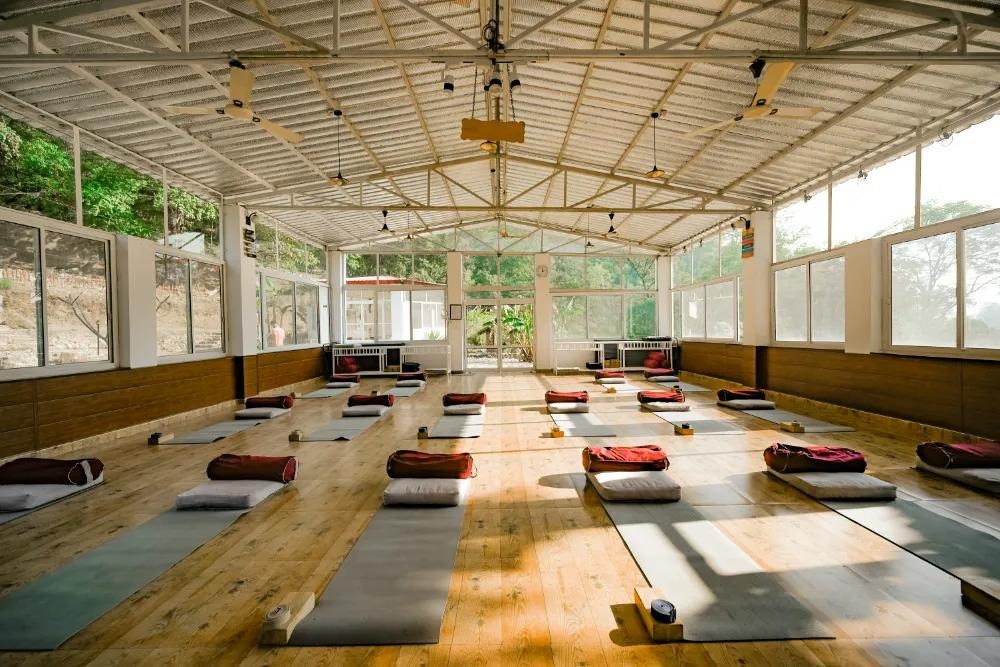
Environmental awareness is reshaping yoga culture. Practitioners demand sustainable gear, carbon-neutral studios, and earth-friendly practices.
Experts agree: This aligns perfectly with yoga’s principle of Ahimsa (non-violence toward all beings). As yoga teacher and environmental activist Seane Corn states, “True yoga practice extends to how we treat our planet.”
The numbers tell the story. 78% of yoga practitioners now consider environmental impact when purchasing gear. Cork mats outsell PVC options 3-to-1.
Studios are responding. Solar-powered yoga spaces, zero-waste retreats, and plant-based cafés are becoming industry standards rather than exceptions.
Pay attention to this: Eco-conscious doesn’t mean compromising quality. Natural rubber, organic cotton, and recycled materials now outperform synthetic alternatives in durability and performance.
Many practitioners deepen their understanding of holistic wellness through #modern ayurveda wellness# programs that emphasize living in harmony with nature’s rhythms.
Inclusive & Adaptive Classes: Yoga for Every Body
Yoga is finally becoming truly accessible. 2026 sees explosive growth in adaptive classes designed for different abilities, body types, and life stages.
The truth is: Traditional yoga culture often excluded people. Size discrimination, ableism, and age bias created invisible barriers.
That’s changing fast. Studios now offer chair yoga, trauma-informed classes, and sessions specifically for larger bodies, pregnant individuals, and seniors.
Here’s what nobody tells you: Inclusive yoga isn’t charity—it’s authenticity. Yoga belongs to everyone, and modifications aren’t lesser versions of poses.
Organizations like the Accessible Yoga Association train teachers through specialized #yoga alliance teacher training# programs focused on adaptive instruction.
Props are being reimagined. Bolsters in multiple sizes, chairs with various heights, and adjustable blocks ensure everyone practices comfortably.
The plot twist? Inclusive classes attract broader demographics, making yoga studios more financially sustainable while serving their true purpose.
Hybrid Studio Experiences: Best of Both Worlds
The future isn’t online or in-person—it’s both. Hybrid models let practitioners choose their experience based on daily needs and circumstances.
Now here’s where it gets interesting: Studios offering hybrid options report 45% higher retention rates than traditional single-format spaces.
Members appreciate flexibility. Some days you crave community energy in a physical ashtanga open practice class. Other days, streaming from home makes more sense.
Technology makes this seamless. High-quality cameras, spatial audio, and interactive platforms create genuine connection even through screens.
Teachers trained in yoga teacher training in Rishikesh now learn both in-person instruction and virtual engagement techniques as core curriculum components.
The reality? Hybrid isn’t replacing traditional studios—it’s expanding reach. Rural practitioners access world-class teachers. People with mobility challenges join from home. Parents practice while kids nap.
Studios also experiment with hybrid formats like outdoor classes livestreamed to online participants or sounds to healsessions combining in-person and virtual attendees.
Conclusion: Your Practice, Your Way
Yoga’s evolution in 2026 proves one thing: ancient wisdom adapts beautifully to modern needs.
Whether you’re practicing 5-minute micro-sessions between meetings, exploring VR mountaintop flows, or mastering pranayama in a hybrid class, you’re honoring yoga’s true essence—union of body, mind, and breath.
Let me explain: These trends aren’t diluting yoga. They’re democratizing it, making this transformative practice accessible to more humans than ever before.
The key is finding what resonates with you. Try different approaches. Mix traditional and modern. Listen to your body’s wisdom.
As the Bhagavad Gita (Chapter 6, Verse 19) reminds us: “As a lamp in a windless place does not waver, so the disciplined mind of a yogi remains steady in meditation.”
Your steady practice—whatever form it takes—is perfect.
