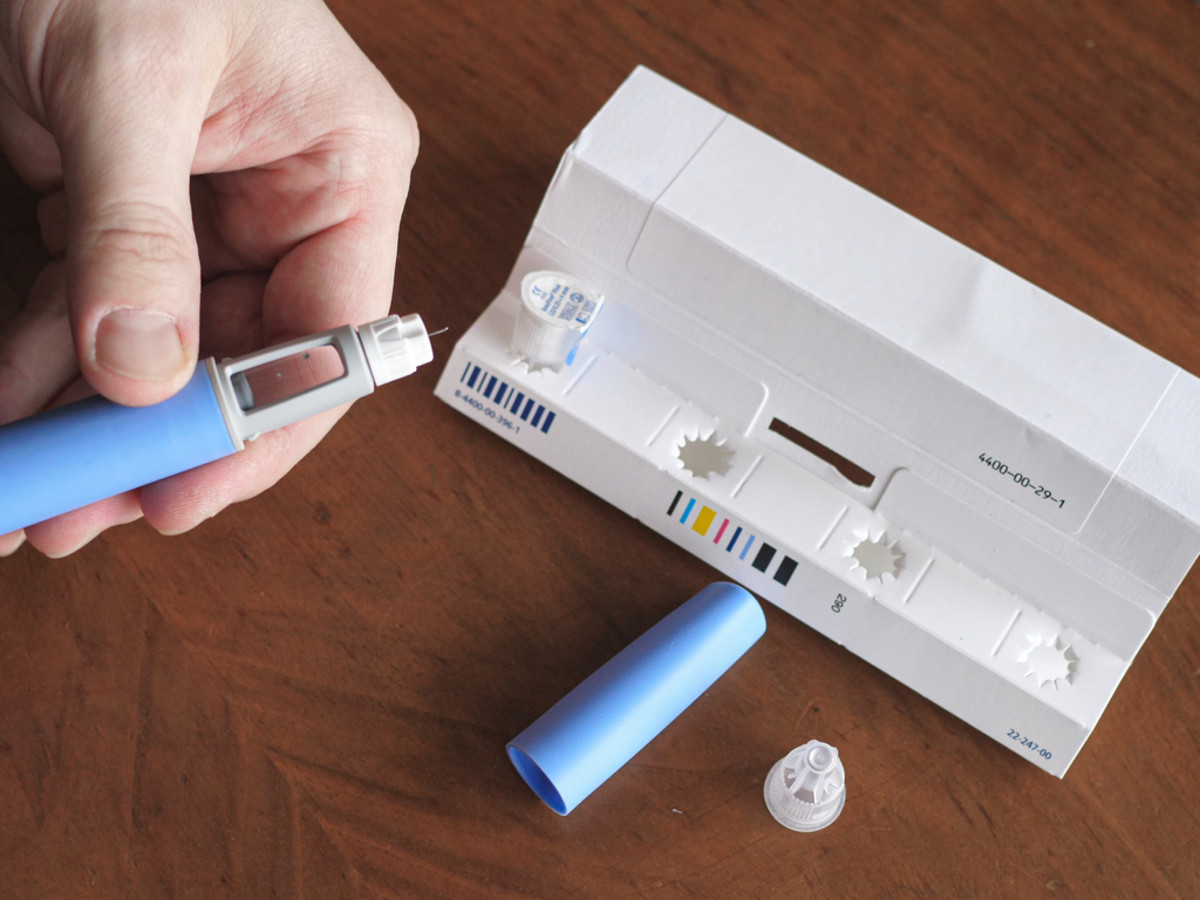
Many people managing blood sugar or weight face daily uncertainty. Questions about appetite, energy, and long-term risks can feel overwhelming. Ozempic is often part of that conversation, but understanding its role starts with clear, balanced information.
If you want a concise overview, you can visit this page to learn more about this medication, including forms, strengths, and storage guidance. The details below explain how it works, who might consider it, and how to support your health with everyday habits.
How it works in the body
This medicine belongs to a class called GLP-1 receptor agonists. GLP-1 is a natural hormone that helps regulate insulin, appetite, and digestion. By mimicking GLP-1, it can lower post-meal glucose, slow stomach emptying, and reduce hunger signals.
These effects are gradual. Some people notice changes within weeks, while others need more time. The goal is steady support of glucose control and healthier routines, not quick fixes. Your healthcare professional may adjust dosing based on response and tolerability.
Who might consider it
People with type 2 diabetes commonly discuss this option to improve glucose control. It may be considered when diet, activity, and first-line therapies are not enough to reach targets. Some adults with overweight or obesity also explore therapies in this class as part of broader weight-management plans.
Eligibility depends on your medical history, current medications, and risk factors. Kidney function, pancreatitis history, and certain endocrine conditions may influence decisions. A clinician can help weigh potential benefits and risks for your situation.
Potential benefits and realistic expectations
Many individuals report better glucose patterns and smaller post-meal spikes. Some experience reduced appetite and modest weight changes over time. These outcomes vary, so managing expectations is important.
Discuss personal goals with your clinician. Examples include smoother fasting sugars, fewer hypoglycemia episodes, or improved stamina for daily activity. Align the plan with other health priorities, such as blood pressure, lipids, and sleep quality.
Common side effects and what helps
Gastrointestinal effects are the most common. Nausea, fullness, burping, constipation, or diarrhea can occur, especially during dose changes. These usually lessen as your body adjusts.
- Start low and go slow, following your prescriber’s schedule.
- Eat smaller, simpler meals; avoid heavy, greasy foods early on.
- Sip fluids through the day; consider broths or electrolyte drinks if needed.
- Pause after meals before lying down to reduce reflux.
- If symptoms persist or worsen, contact a healthcare professional.
Rare but serious risks require prompt attention. Severe abdominal pain, persistent vomiting, signs of dehydration, or unusual neck swelling need evaluation. Report symptoms quickly to your care team.
Interactions, precautions, and monitoring
Let your clinician know all prescription and nonprescription medicines you use. Some diabetes therapies combined with this class can increase hypoglycemia risk. A plan for glucose monitoring helps detect patterns and guide adjustments.
Kidney health, digestive conditions, and gallbladder history may affect safety. Thyroid disease and certain inherited risk factors also matter. Routine check-ins help tailor dosing, assess side effects, and reinforce lifestyle progress.
How Ozempic fits with lifestyle change
Medication works best alongside consistent, sustainable habits. Balanced meals, movement, stress reduction, and sleep can improve insulin sensitivity and energy. These practices support both metabolic health and day-to-day wellbeing.
- Nutrition: Emphasize vegetables, lean proteins, legumes, and whole grains. Add healthy fats from nuts, seeds, and olive oil. Limit refined carbs and ultra-processed snacks.
- Activity: Aim for regular movement most days. Combine brisk walking or cycling with resistance training to maintain muscle and support glucose control.
- Sleep: Target 7–9 hours nightly. Regular schedules and a dark, cool room help.
- Stress: Try brief breathing exercises, stretching, or short walks between tasks.
Small, consistent steps often beat big, short-lived efforts. Record changes you notice, such as reduced snacking, steadier energy, or improved glucose readings. Share those notes during clinic visits to refine your plan.
Comparing options in the same class
GLP-1 therapies differ by dosing schedule, tolerability, and individual response. Some are weekly injections; others use daily dosing. Formulations vary in maximum dose and titration speed.
Talk with your clinician about how these differences might affect your routine. For a broader view of related treatments, explore GLP-1 Agonists and discuss the pros and cons for your needs.
Practical tips to stay on track
Daily logistics can make success easier. Consider reminder systems and a simple checklist. Pair the weekly dose with a consistent habit, like Sunday breakfast.
- Storage: Follow labeled temperature guidance and avoid extreme heat or freezing.
- Technique: Review injection steps with a clinician or pharmacist.
- Timing: Keep a calendar or app to track doses and symptoms.
- Nutrition plan: Prepare easy, high-fiber meals for busy days.
- Support: Share goals with a trusted friend or family member.
When to contact a healthcare professional
Reach out if you experience persistent nausea, severe abdominal pain, signs of dehydration, or markedly high or low glucose. New or worsening symptoms merit a check-in. Adjustments can improve comfort and outcomes.
Regular follow-ups help align treatment with life changes, travel, or new diagnoses. Bring questions about side effects, dosing, and lab tests. Clear communication leads to safer, more effective care.
Key takeaways
Ozempic can be a useful tool within a comprehensive health plan. Results vary, and patience matters while your body adapts. Simple, consistent lifestyle steps often provide the strongest long-term gains.
For general guidance on diabetes care, weight management, and related therapies, explore trusted resources and speak with your clinician. You can also learn more about products and conditions at CanadianInsulin.
Medical disclaimer: This content is for informational purposes only and is not a substitute for professional medical advice.
