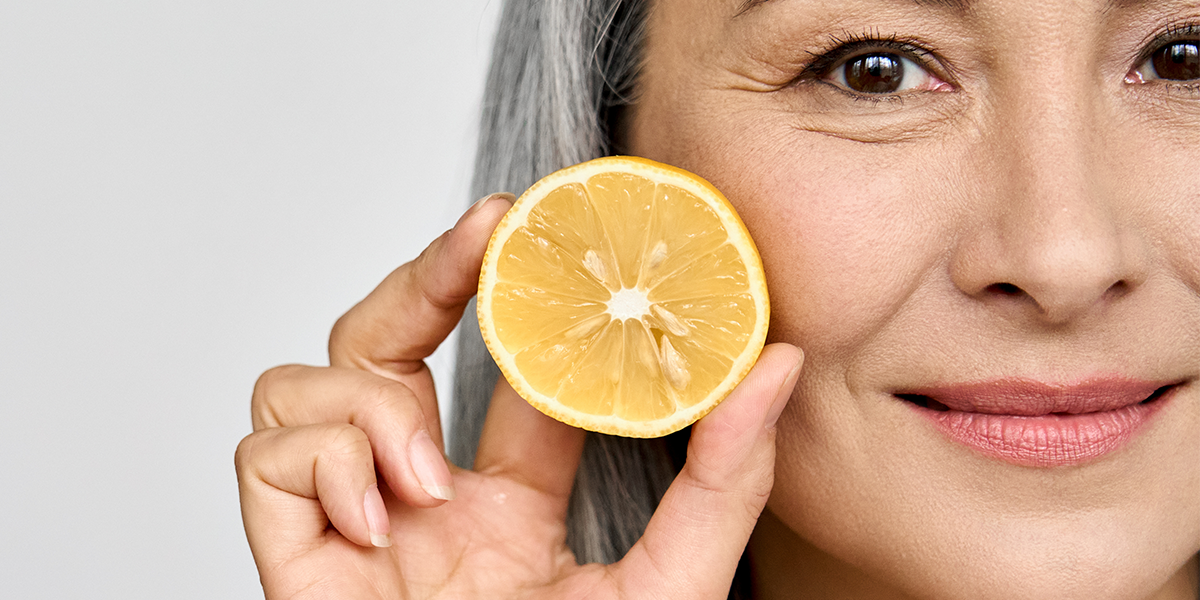
Skin health reflects more than external care. While topical products play a visible role, the condition of the skin is strongly influenced by internal factors such as nutrition, hydration, and overall lifestyle. Vitamins support essential biological processes that maintain skin structure, repair damage, and protect against environmental stress. Understanding how specific nutrients function allows individuals to approach skin improvement through balanced support rather than relying solely on surface treatments. Skin nutrition focuses on providing the body with the building blocks required for long-term skin resilience and appearance.
Vitamin C and Skin Protection
Vitamin C plays a central role in protecting the skin from environmental damage. Daily exposure to sunlight, pollution, and oxidative stress produces free radicals that weaken skin structure over time. Vitamin C functions as an antioxidant, helping neutralise these unstable molecules before they damage collagen and cellular integrity. This protective function contributes to brighter and more even-looking skin because reduced oxidative stress supports healthier cell turnover.
In addition to protection, vitamin C supports collagen synthesis. Collagen provides firmness and elasticity, and reduced production is closely associated with visible ageing signs such as fine lines and loss of skin density. Adequate intake of vitamin C supports the body’s ability to maintain collagen formation, helping preserve skin structure over time. Within the broader concept of skin nutrition, vitamin C is often considered foundational because it supports both prevention and repair processes simultaneously.
Dietary sources such as citrus fruits, berries, capsicum, and leafy vegetables provide natural vitamin C intake. Consistency matters more than high doses, as the body uses vitamin C continuously rather than storing it in large amounts. Balanced intake through diet or supplementation helps maintain steady support for skin renewal.
Vitamin A and Skin Renewal
Vitamin A contributes primarily to skin regeneration and cellular turnover. Healthy skin relies on the continuous replacement of old cells with new ones, a process that slows with age and environmental stress. Vitamin A supports this renewal cycle, helping maintain smoother texture and reducing the buildup of dead skin cells that can lead to dullness or congestion.
This vitamin also influences oil regulation and skin barrier function. Balanced oil production helps prevent clogged pores while maintaining necessary hydration. When vitamin A levels are insufficient, skin may appear rough or uneven because the renewal process becomes less efficient. Proper skin nutrition includes adequate vitamin A intake to support these structural processes internally.
Common dietary sources include carrots, sweet potatoes, spinach, and other orange or dark green vegetables. Because vitamin A is fat-soluble, it is absorbed more effectively when consumed alongside healthy fats. Maintaining appropriate levels rather than excessive supplementation remains important, as balance supports healthy skin function without unnecessary strain on the body.
Vitamin E and Skin Barrier Support
Vitamin E supports skin health by strengthening the protective barrier that retains moisture and shields against external irritation. The skin barrier prevents excessive water loss while limiting penetration of environmental irritants. When this barrier weakens, skin may become dry, sensitive, or prone to inflammation. Vitamin E contributes to maintaining flexibility and hydration, which supports smoother and more comfortable skin.
Its antioxidant properties also complement vitamin C by protecting cell membranes from oxidative damage. Together, these nutrients help reduce the cumulative effects of environmental exposure that accelerate visible ageing. In discussions around skin nutrition, vitamin E is often associated with maintaining skin comfort and resilience rather than directly altering appearance, though improved barrier function indirectly enhances overall skin quality.
Nuts, seeds, and plant-based oils provide natural sources of vitamin E. Regular dietary intake supports ongoing skin protection, particularly for individuals exposed to dry climates or frequent environmental stress.
Improving skin health rarely depends on a single nutrient. Vitamins function as part of interconnected biological systems, meaning balance remains more effective than isolated supplementation. Skin nutrition emphasises consistent intake of supportive nutrients that allow the body to maintain repair and renewal processes naturally. When combined with proper hydration, sun protection, and gentle skin care practices, adequate vitamin intake contributes to healthier skin that reflects internal wellbeing rather than temporary cosmetic improvement.
