Hybrid work changes where people sit, but it does not automatically change how they work. A worker may use a well-adjusted office desk on Tuesday, a laptop at the kitchen table on Wednesday and a small meeting room on Thursday. Neck discomfort can build because the body faces different screens, chairs and working habits across the week.
The first clue often appears in timing. Symptoms may increase after long video calls, concentrated writing or repeated phone use, then ease during walking or weekends. That pattern does not prove a single cause, but it helps identify which tasks are linked with discomfort. A brief diary can record location, duration, breaks and symptom response without turning every sensation into a problem.
There is no perfect posture that must be held all day. Even a comfortable position can become tiring when it remains unchanged. The more useful aim is variety. The screen can be raised so the head is not constantly angled down, the chair can support a relaxed position, and frequently used items can sit within easy reach. For laptop work, a separate keyboard and mouse may allow a more practical screen height.
Video meetings create their own strain. People often lean forwards to appear engaged or keep their face centred in the camera. They may also remain still because movement feels visible to others. Turning off self-view, using a headset and standing for suitable calls can reduce some of that unnecessary holding. Between meetings, even a short change of position may be more helpful than waiting for one long stretch break.
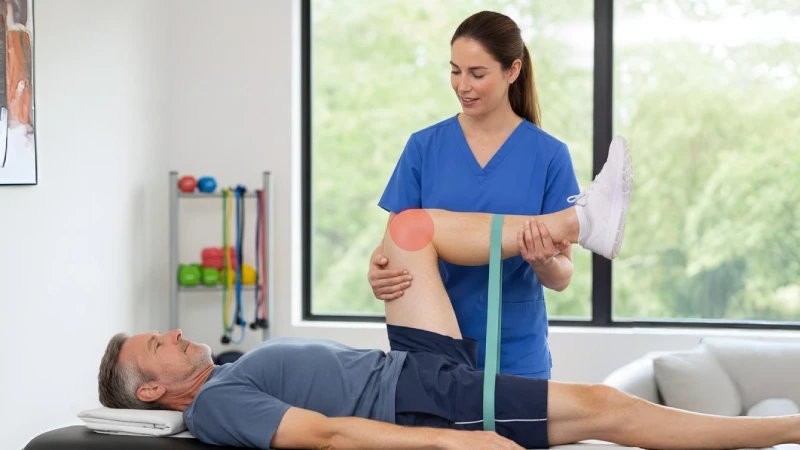
Physiotherapy can be useful when pain persists, movement becomes limited or the worker is unsure how to rebuild activity. An assessment may consider the neck, shoulders, upper back, strength, work tasks and other factors that affect symptoms. Treatment is not simply a matter of correcting posture. It may include education, graded exercise, movement practice and changes to workload or workstation setup.
A physiotherapy home exercise plan should fit the working day. A complicated routine that requires special equipment is easy to abandon. A smaller plan might combine gentle neck movement, upper-back mobility and strengthening for the shoulders or arms. The correct exercise and dosage depend on the person, and symptoms should be monitored rather than pushed through automatically. Physiotherapy should also account for sport, caring duties and commuting, not only desk hours.
Warning signs need appropriate attention. Neck pain after significant trauma, progressive weakness, loss of coordination, severe or unusual headache, fever, unexplained illness or changes in bladder or bowel control should be assessed promptly. Tingling or pain into the arm may also require clinical review, particularly when it is worsening or accompanied by weakness.
Teams can avoid scheduling long blocks of calls, provide suitable equipment and allow workers to vary tasks. Clear expectations matter because some employees skip breaks when they feel they must always appear online. A culture that supports focused work and normal movement is more useful than a one-off reminder about posture.
Workload outside the screen should be considered as well. A worker may improve the home desk yet continue to aggravate symptoms through long periods of handheld device use. Looking at the whole day usually reveals more options than changing one chair.
Alongside physiotherapy advice, regular eye breaks may indirectly help because screen fatigue often draws the head forwards. Placing documents closer to the screen, increasing text size and reducing glare can make it easier to sit back. These changes are simple, but they should be tested in real tasks.
The aim is not to make the neck feel perfect before normal work continues. It is to reduce unnecessary aggravation, restore confidence in movement and build tolerance for the tasks that matter. With a flexible setup, regular variation and individual physiotherapy where needed, hybrid workers can respond to desk-related neck pain without treating the body as if it must stay fixed in one ideal position.
